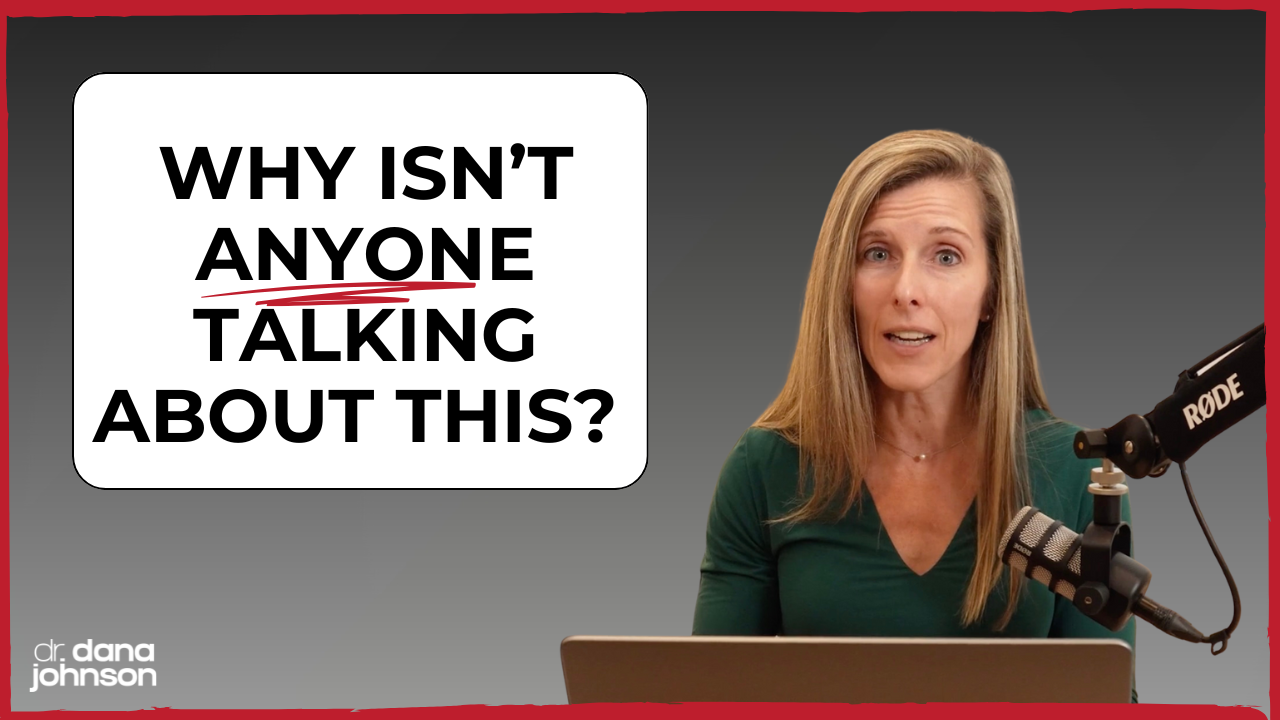
by Todd | Sep 15, 2025 | Blog
In this video, Dr. Dana Johnson, PhD, explains Whole Body Apraxia—a brain-body disconnect that affects how kids with autism move, respond, and interact with the world. Does your child struggle to follow directions, stay regulated, or complete simple tasks like getting...

by Todd | Aug 31, 2025 | Blog
When we think about how our kids move, communicate, and learn, it’s easy to focus on what we can see—like walking, writing, or speaking. But underneath all of those skills is a hidden foundation that starts developing before a baby can even roll over. This foundation...

by Todd | Aug 11, 2025 | Blog
Presuming Competence and the Least Dangerous Assumption Why Every Parent Should Believe in Their Child’s Potential When it comes to children with autism or other disabilities, one of the most powerful things we can do is presume competence—to believe that they can...

by Todd | Aug 4, 2025 | Blog
Helping Your Child with Regulation: What Parents Need to Know If your child struggles with big emotions, sudden meltdowns, or seems to go from calm to overwhelmed in seconds—you’re not alone. Many children with autism or motor differences have a hard time staying...
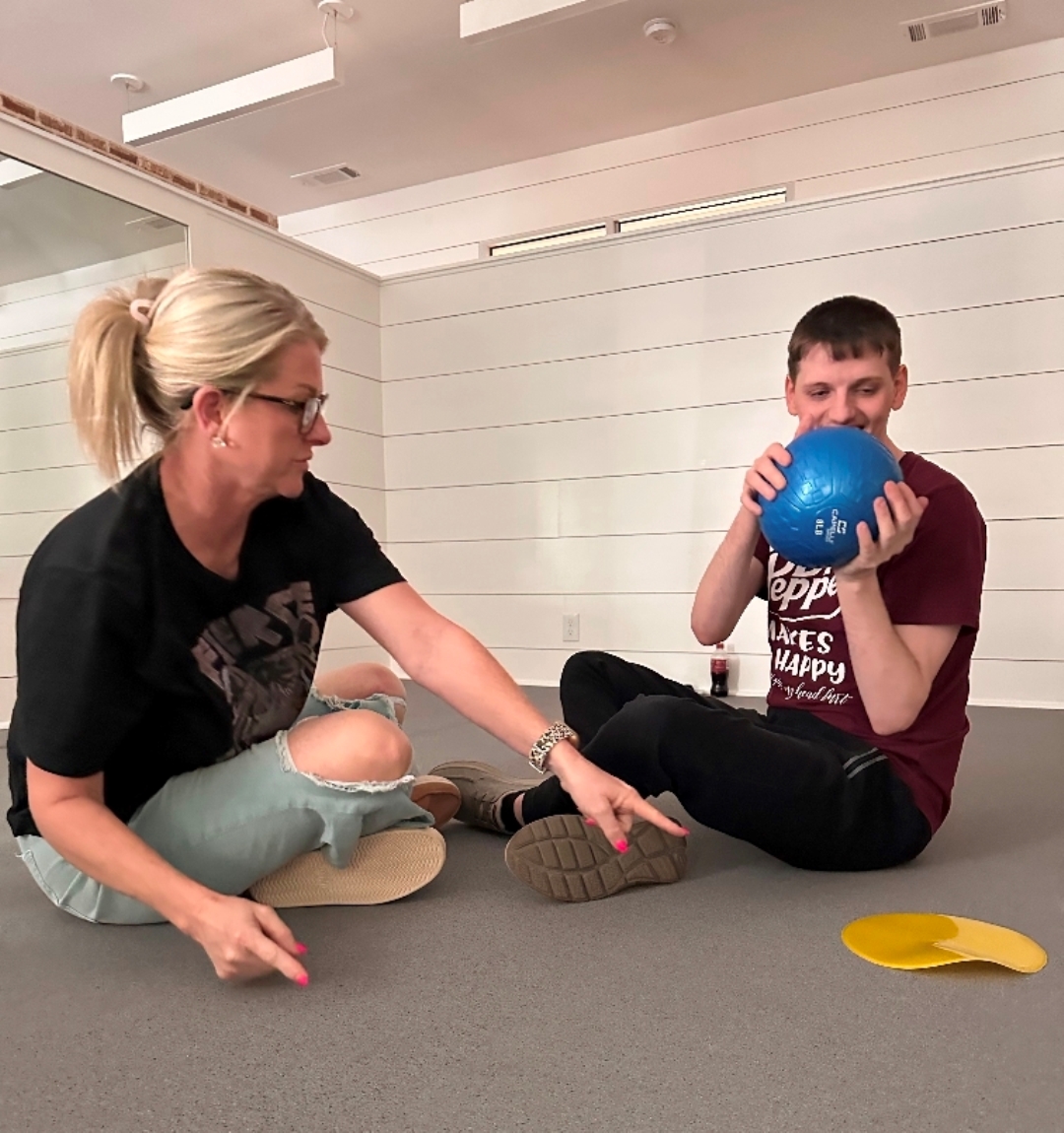
by Todd | Jul 25, 2025 | Blog
Why Movement Is Medicine for Kids with Whole-Body Apraxia If your child has whole-body apraxia or autism, you’ve probably seen how hard it can be for them to move the way they want. They may want to stand up, grab a toy, or walk across the room—but their body doesn’t...

by Todd | Jul 17, 2025 | Blog
The Truth About Autism That They Don’t Teach You When most people think about autism, they often focus on the social and behavioral aspects—communication delays, social difficulties, repetitive behaviors, and sensory challenges. While these traits are undeniably a...
